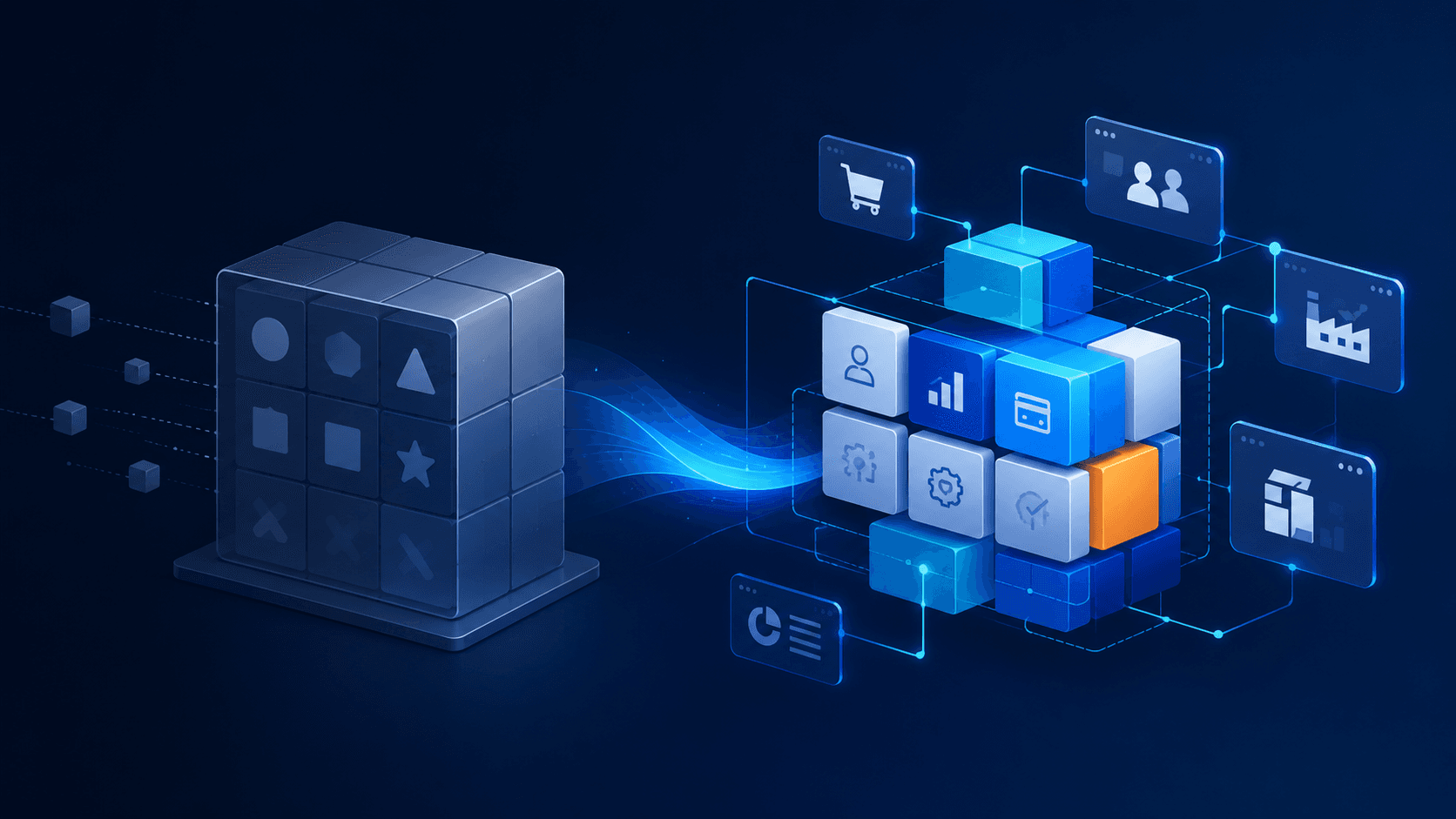
Off-the-shelf software is the faster, cheaper way to start, and for many businesses it is the right answer. A custom ERP makes sense when your operations are unusual enough that standard tools force your team to work around the software instead of with it.
When off-the-shelf is the right call
If your processes are fairly standard, packaged software gives you proven features immediately, with support and updates handled for you. Fighting that with a custom build is usually a waste of money and time.
When a custom ERP earns its cost
- Your workflows are genuinely different from competitors
- You're stitching several tools together with manual effort
- Standard software forces expensive workarounds at scale
- Your data is fragmented across systems that won't integrate
The middle path
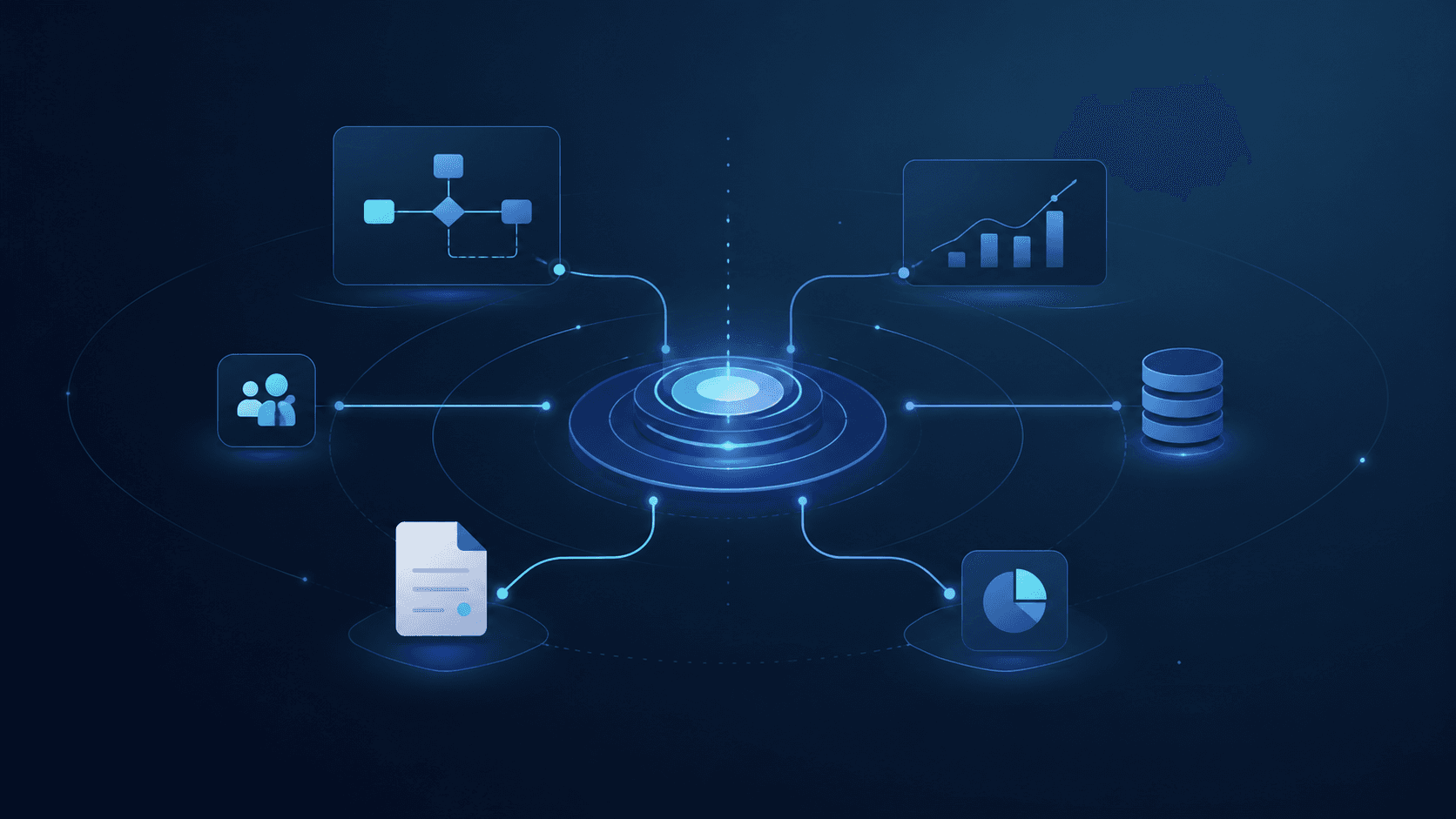
It is rarely all-or-nothing. Often the strongest option is to keep the off-the-shelf tools your team knows and build an integration and intelligence layer between them — modernising without a full rebuild.
Choose off-the-shelf when your processes are standard and speed matters; choose custom ERP when non-standard workflows cost you real money in workarounds and manual coordination. A connecting layer between existing tools is often the smartest middle ground.
Published 2 May 2026 · Updated 15 May 2026