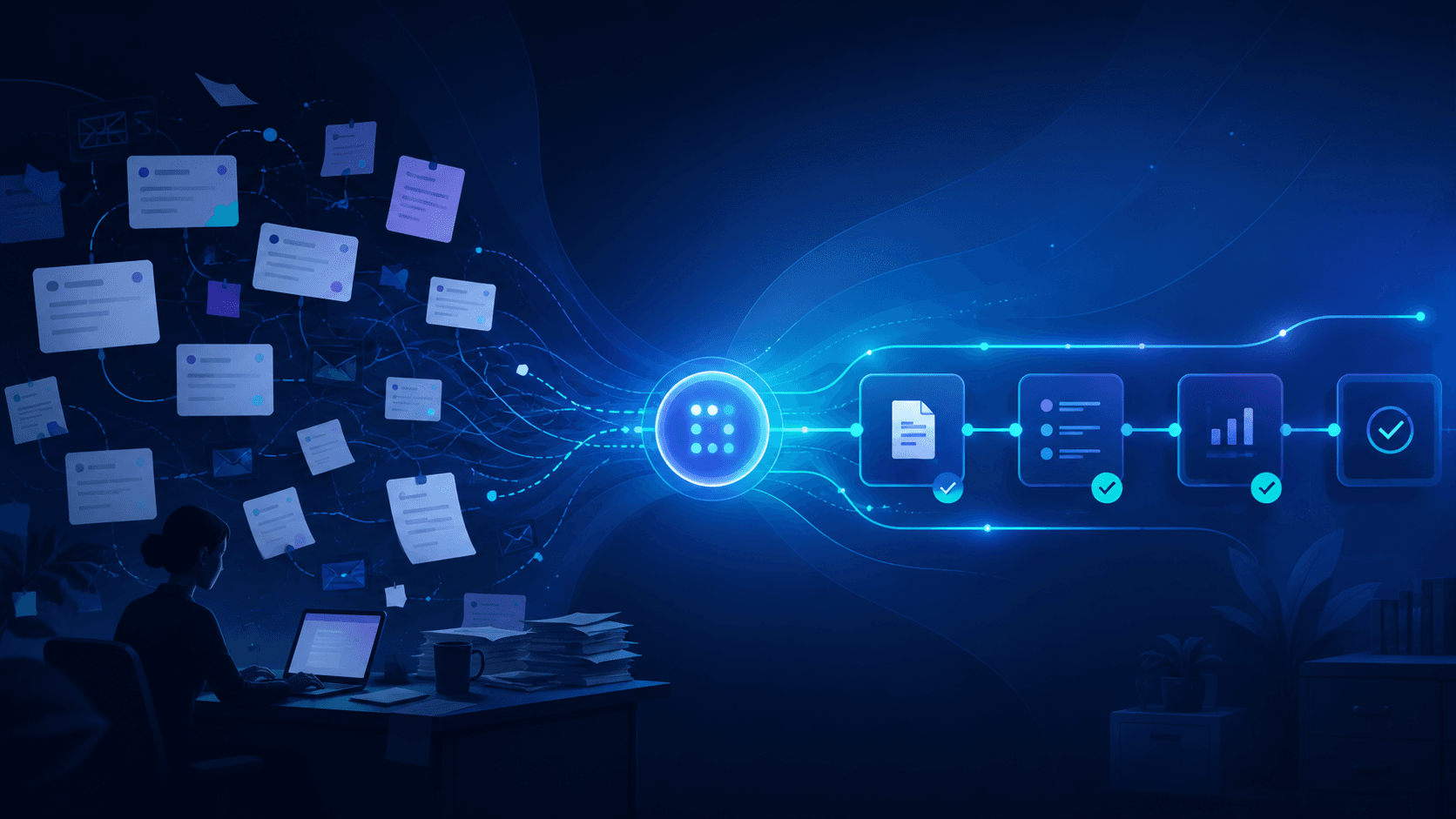
AI operations is the practical work of applying AI inside the systems a business already runs — its workflows, its data, and the decisions people make every day. It is not a product you buy. It is a way of running operations so that repetitive work is automated, information is visible in real time, and decisions are made on current data rather than last week's reports.
How is AI operations different from 'using AI'?
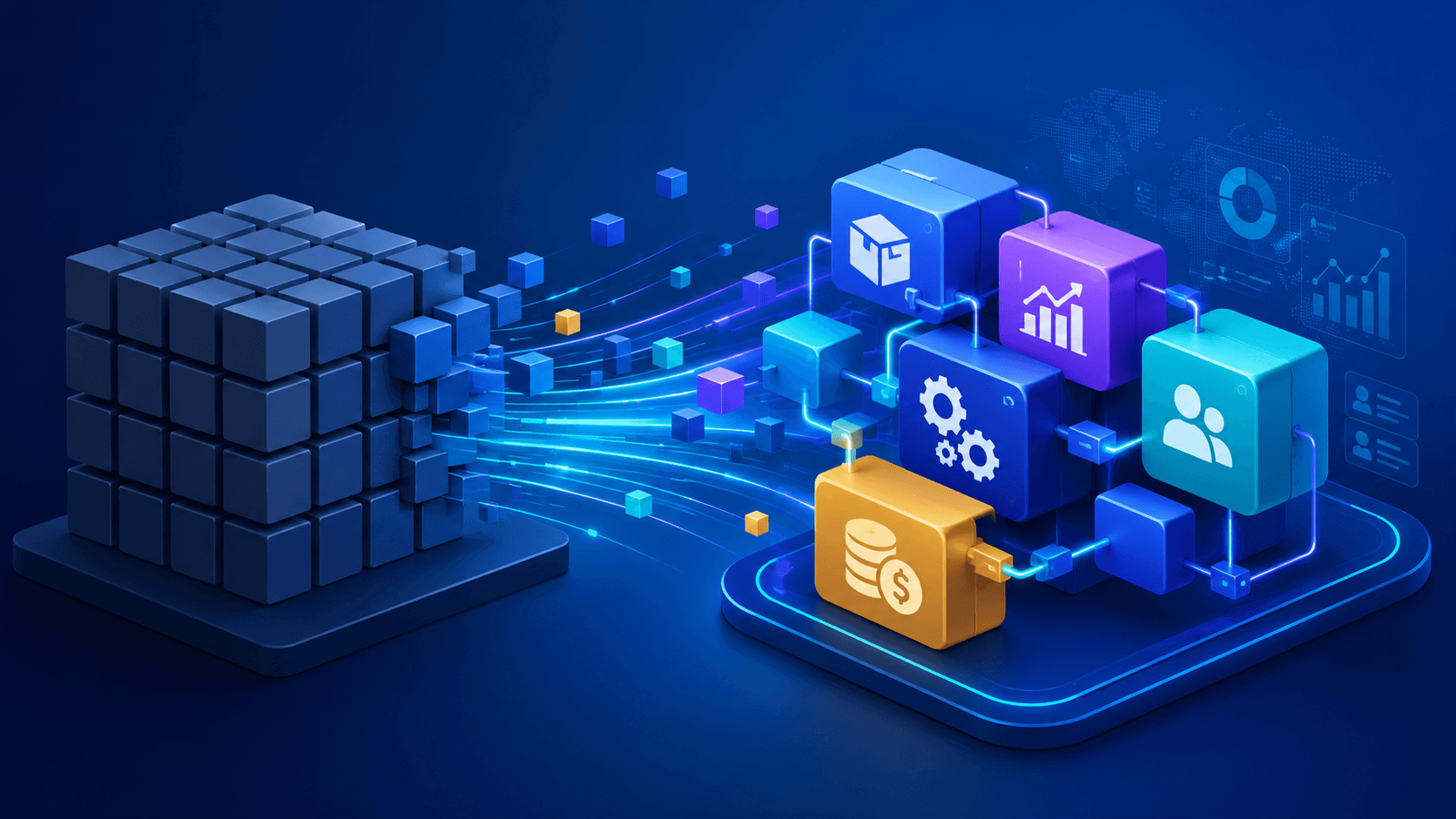
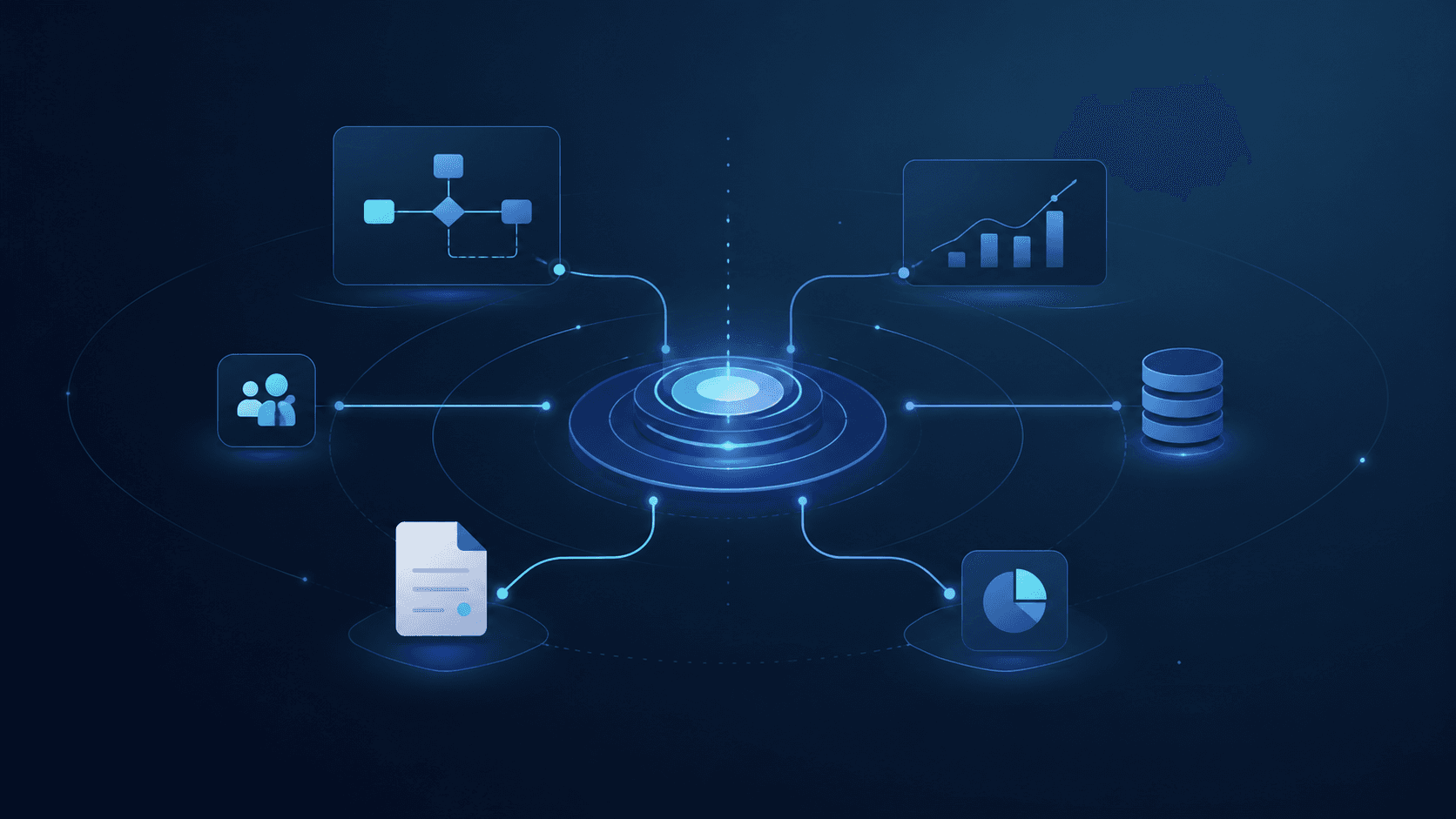
Most businesses encounter AI as a feature inside a single tool. AI operations is broader: it looks across the whole business, finds where time is lost and where systems don't connect, and puts intelligence where it changes an outcome. The goal is a connected operating layer, not a collection of disconnected clever features.
Where does it help an SME first?
- Automating manual, rule-based work that drains staff hours
- Connecting tools that don't talk to each other today
- Turning operational data into live visibility instead of manual reports
- Reducing the coordination overhead that grows with every new hire or site
A simple example
A distribution business reconciling stock by hand across several systems doesn't need a chatbot. It needs its inventory, sales and transfer data connected into one live view. That is AI operations: the unglamorous, high-leverage work of making the business legible to itself.
AI operations is applying AI inside a business's real workflows, data and decisions — automating repetitive work, connecting fragmented tools, and making operations visible in real time. For SMEs it starts with clarity, not with buying more software.
Published 12 May 2026 · Updated 20 May 2026