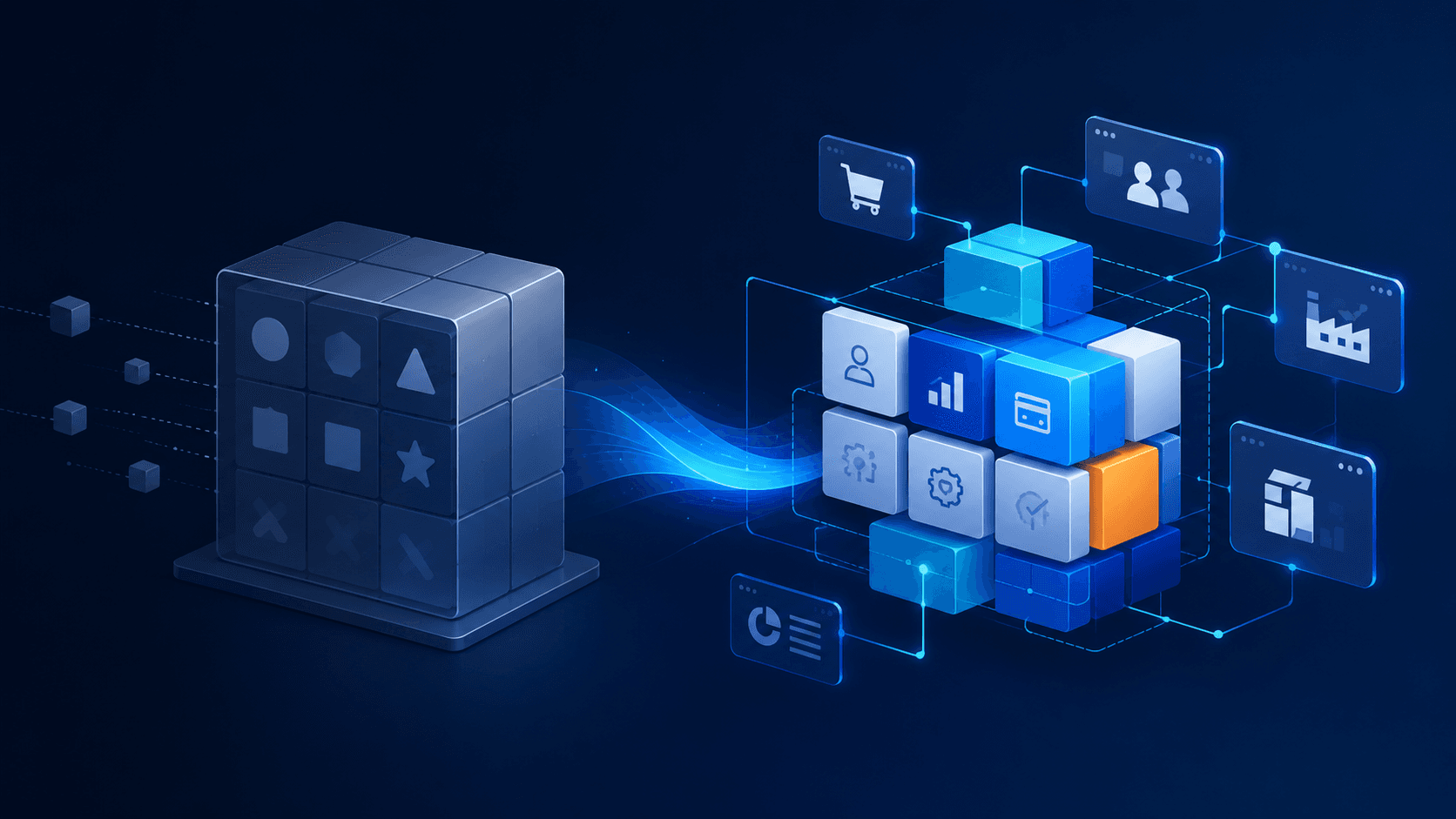
A growing business needs a custom ERP when the workarounds keeping standard tools alive start costing more — in time, errors and coordination — than a tailored system would. Until then, packaged software and good integration usually win.
Signals it's time to consider one
- Spreadsheets have become load-bearing infrastructure
- The same data is maintained in several disconnected tools
- Onboarding a new hire means teaching a web of manual workarounds
- Reporting takes days and is out of date when it arrives
- Growth is being held back by operations, not demand
How to approach it without overbuilding
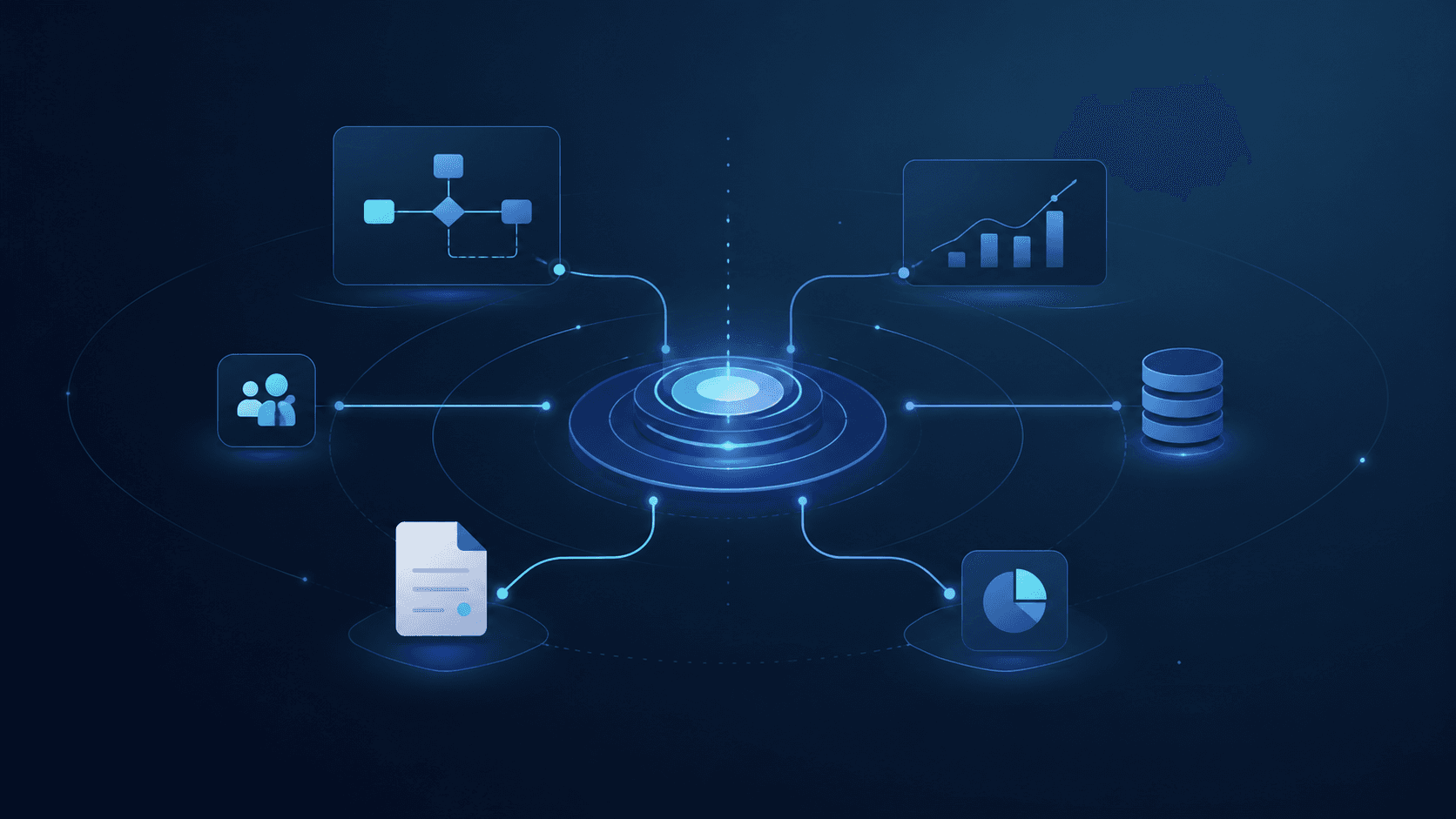
Start with discovery, not software. Map how the business actually runs, find the highest-cost friction, and build only what removes it. Often the first phase isn't a full ERP at all — it's an integration layer that buys time and clarity.
A custom ERP is justified when workarounds for standard tools cost more than a tailored system would. Watch for load-bearing spreadsheets, duplicated data and operations capping growth — then start with discovery, not a big-bang build.
Published 2 April 2026 · Updated 2 April 2026