01
Platform chosen on fit
Because the practice implements both SAP Business One and Odoo, the recommendation can follow the client's processes, complexity and budget — including the occasional honest answer that neither is right.
Advise, don't sell.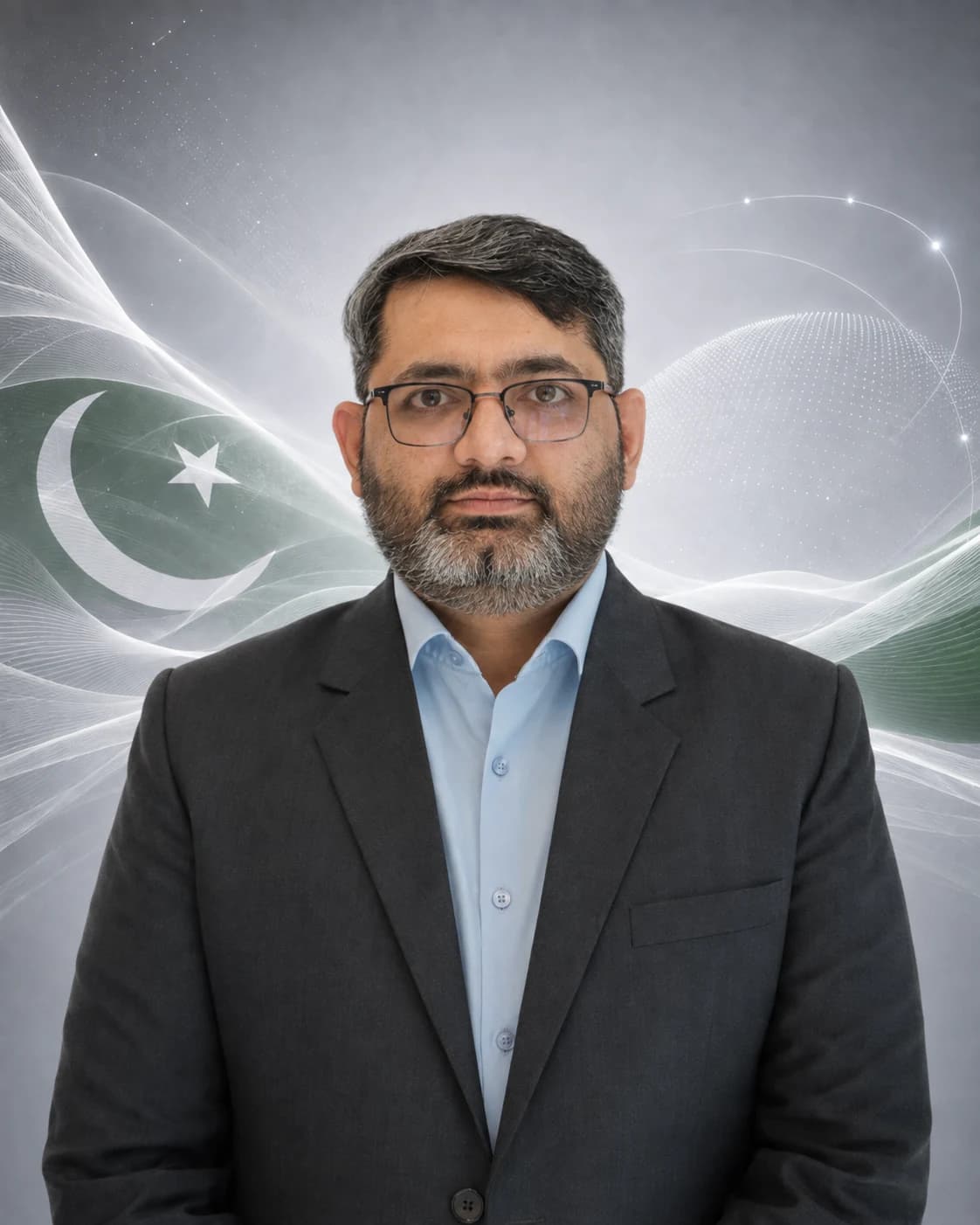
An ERP is not a system you install. It is a capability the business has to keep earning.
The platform matters far less than the honesty of the advice, the clarity of the process and who is still there after go-live.
Waqas Athar leads ERP implementations at KEYOB, covering both SAP Business One and Odoo. That dual capability is deliberate: when a practice can implement two very different platforms, the recommendation can follow the client's processes rather than the partner's catalogue.
His conviction is that most ERP programmes do not struggle on software. They struggle on the parts either side of it — the processes nobody documented, the data quality discovered too late, the integrations left until last, and the support that quietly ended a fortnight after go-live.
So the practice he leads is built around those parts. Fit assessed honestly before anything is bought. Processes mapped before anything is configured. Data treated as its own workstream rather than a task squeezed in near the end. Integration designed into the architecture from day one. And the same team present long after the launch week is over.
Which platform suits the business — or whether neither does.
Configure against how the business really operates.
Validate with real users, never one distant demo.
Cleansed, mapped and rehearsed — its own workstream.
Training, cutover and the discipline launch week needs.
Support and improvement, where value compounds.
A system that is installed is not the same as a system that is adopted. Only one of them was worth the money.
Because the practice implements both SAP Business One and Odoo, the recommendation can follow the client's processes, complexity and budget — including the occasional honest answer that neither is right.
Advise, don't sell.Every customisation carries maintenance and upgrade cost forever. Waqas starts from the platform standard and extends only where it clearly earns its place in the business.
Customise on purpose.More go-lives are damaged by data quality than by configuration. Cleansing, mapping and rehearsed migration runs are planned as real work, never squeezed into the final fortnight.
Respect the data.An ERP proves itself only once real operations depend on it. Hypercare, enhancements and roadmap work are part of the engagement — not a separate conversation once the invoice is paid.
Stay after launch.Waqas leads KEYOB's ERP practice across two platforms with very different characters. SAP Business One brings a tightly integrated, finance-first core backed by SAP's global ecosystem. Odoo brings modular, open-source flexibility that can be shaped closely around distinctive processes.
Neither is universally better. The work is knowing which one fits a given business — and being willing to say so plainly. Because KEYOB also builds the systems around the ERP, neither platform ends up as another island: the website, CRM, reporting layer and automation are planned into the architecture rather than bolted on afterwards.
Waqas's view is that an ERP earns its cost in the years after go-live, not in the launch announcement — so the practice is built to still be there when it does.
Perspectives on platform choice, data migration and adoption after go-live.
More ideas from Waqas are being prepared.
Upcoming conversations and appearances will be shared here.
The long-run case for ERP done properly — a custom build that carried nearly a decade of operational evolution and modernisation.
Explore the full client story →Delivery discipline under deadline — structured execution moving a complex platform toward launch readiness.
Explore the full client story →Why data is its own workstream — a fragmented landscape turned into one trusted view people actually rely on.
Explore the full client story →An ERP that kept earning — an automotive partnership extended into service automation and smarter routing.
Explore the full client story →Where integration leads — one clinic requirement growing into a multi-channel automated office.
Explore the full client story →ERP work puts people under real pressure. Finance teams close a month on a system they learned last week; warehouse staff scan stock in a process that changed on Monday. Waqas treats that human cost as part of the engineering problem, not a training footnote.
It shapes how his team works: explain the change before making it, train by role rather than by manual, and make sure someone knowledgeable answers the phone in the first weeks when confidence is fragile.
For Waqas, a successful implementation is measured a year later — in whether people trust the numbers, and whether anyone still keeps a spreadsheet on the side.
“You can tell a good implementation by what disappeared — the workarounds, the side spreadsheets, the reconciliation nobody admitted to doing.”
Whether the challenge begins with software, data, AI, customer operations, business systems or digital growth, the first step is understanding where the organisation is today — and where it needs to move next.
One conversation can become the beginning of a long-term transformation partnership.